EGF Meet the Member: How Madam Waste is turning organic waste into a resource

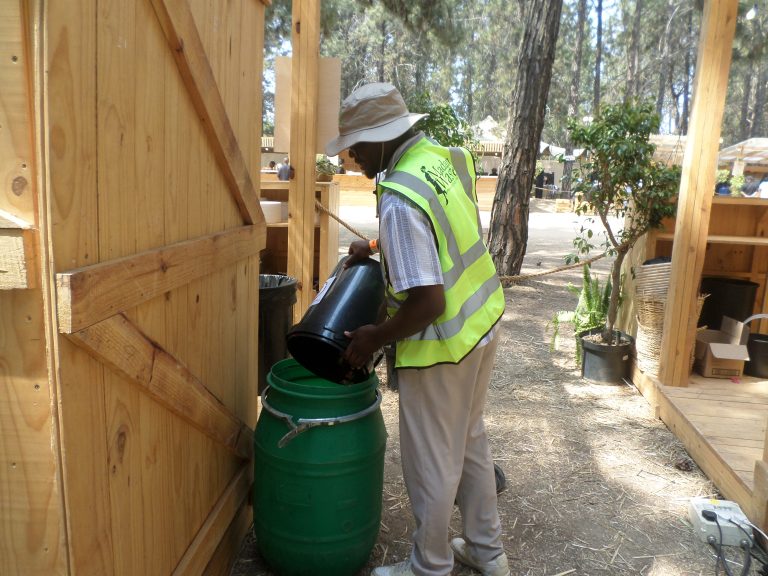
Madam Waste collecting organic and food waste at the Corona Sunsets Festival 2023 in Cape Town.

Food waste is one of the most overlooked aspects of event sustainability — yet it can account for a significant portion of an event’s waste. From catering excess and leftovers to compostable packaging, large volumes of organic waste still end up in landfill* unnecessarily.

Once organic waste is sent to landfill, it breaks down without oxygen and generates methane — a greenhouse gas that is significantly more potent than carbon dioxide. It also increases disposal costs and contributes to the growing pressure on already overburdened landfill sites.

But what if this waste could be treated as something valuable instead?

This is the approach taken by Dr Gamuchirai Mutezo, Founder and CEO of Madam Waste, who says her company “treats organic waste as a resource rather than a disposal problem”.

A Different Way For Food Waste
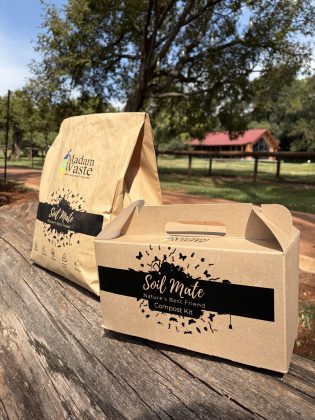
Two compost kit eco gifts - branded and packaged in compostable / recyclable brown cardboard.
Madam Waste’s Soil Mate Compost Kit is a practical eco-gift with a circular story behind it.

Madam Waste focuses on decentralised organic waste diversion, biogas, and composting solutions designed to support a more circular economy.

A decentralised approach means processing waste in the places where it is generated. In practical terms, it means organic waste can be managed locally through systems such as composting and biogas technologies — reducing transport emissions, landfill dependency, and operational waste costs.

The company works with event organisers, festivals, hospitality groups, corporates, municipalities, retailers, and food-related businesses looking to improve waste diversion and sustainability performance.

Madam Waste has been developing and demonstrating these systems through its Waste Valorisation Demonstration Site in Gauteng, where organic waste streams ranging from spoiled retail produce to animal manure and event-type food waste are processed using biogas and in-vessel composting technologies.

(Interested in seeing these systems in action? Madam Waste welcomes site visits by appointment.)

Madam Waste logo

What is Biogas?

Biogas is a renewable energy source created when organic waste breaks down in a controlled environment. The process produces gas that can be used for energy, while the remaining material can be used to enrich soil.

What is Waste Valorisation?

Waste valorisation simply means turning waste into something useful instead of sending it to landfill — such as compost, biogas, or other reusable by-products.

The goal is to extract value from materials that would otherwise be discarded.

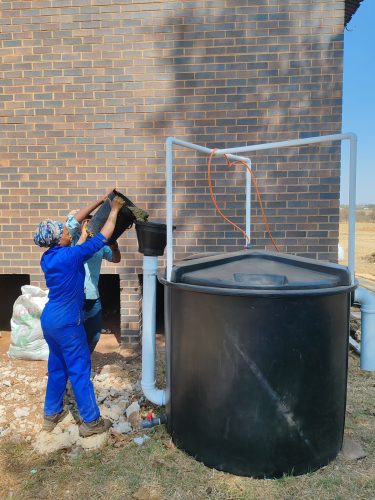
Organic waste is tipped into a biogas digester, where it is transformed into compost and renewable energy.
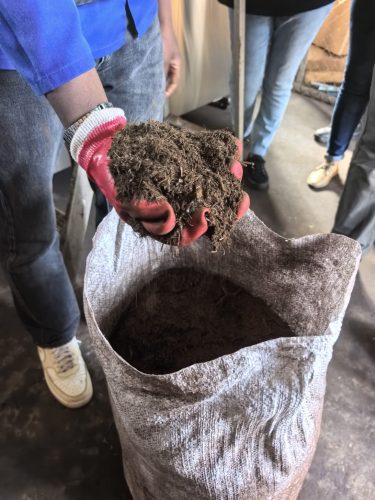
The result: organic waste transformed into nutrient-rich compost instead of landfill waste.
Why This Matters

The benefits of these systems extend beyond waste reduction alone.

From an environmental perspective, diverting organic waste from landfill helps reduce methane emissions and lowers the environmental impact associated with transporting waste long distances.

Instead of disposal, the waste is transformed into useful resources such as compost and digestate, helping keep materials in circulation for longer and supporting healthier soil systems.

Better separation at source — sorting waste by type into separate bins from the outset — helps reduce contamination and improve diversion rates.

There are operational benefits too.

“There is a misconception that sustainability automatically makes events more expensive,” says Mutezo. “In reality, smarter waste systems can reduce operational inefficiencies, improve brand value, and generate measurable ESG outcomes.”

For businesses and event organisers, these systems can also contribute valuable ESG and sustainability reporting data, an area becoming increasingly important for both clients and stakeholders.

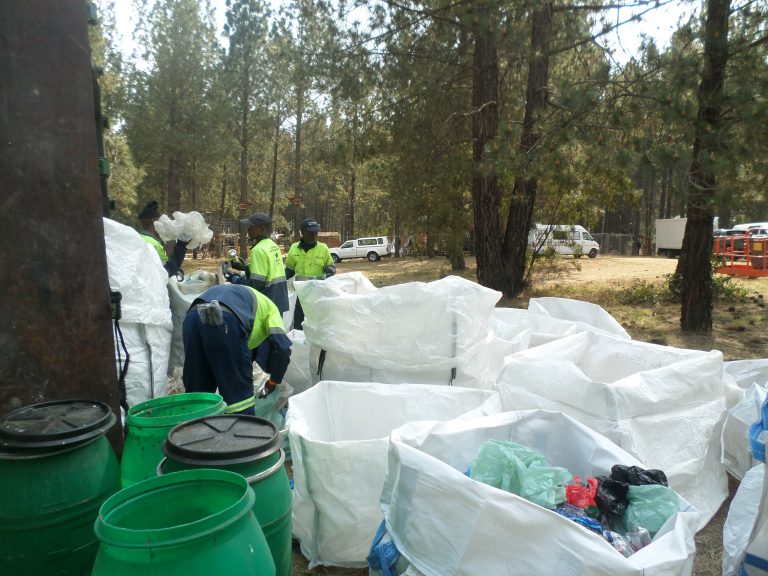
Back-of-house waste separation at the Corona Sunsets Festival in Cape Town, managed by Madam Waste.
Back-of-house waste separation at the Corona Sunsets Festival 2023 in Cape Town, managed by Madam Waste.
Looking Ahead

Mutezo hopes to see more decentralised waste infrastructure integrated into cities, venues, and events in the future — particularly systems that treat organic waste as a valuable resource.

Madam Waste is also interested in growing practical collaborations around compostables, circular food systems, and creating cleaner urban environments.


Could organic waste diversion work at your events? Madam Waste hopes more event organisers will begin exploring practical ways to rethink waste — not just as something to discard, but as a resource with value.
Connect with Madam Waste to learn more.

Instagram: @madamwaste
TikTok: @madamwaste
Website: www.madamwaste.com


Quick Fire with Madam Waste

One word associated with sustainable events?

Intentional

One small change that makes a big impact?

Separation of waste at source.

One thing the industry needs more of?

Collaboration — collaboration is the new competition.

Food Waste at Events

*A 2019 survey by Lime Venue Portfolio and BCD Meetings & Events found that:

  • Nearly one-third of event professionals admitted to throwing away at least 15% of the food commissioned for events;
  • 18% estimated waste closer to 20%;
  • 2% said it exceeded 20%.


Leave a Reply

Your email address will not be published. Required fields are marked *