
With Just 4 Weeks to Plan, This Summit Earned Silver status Green Event Certification
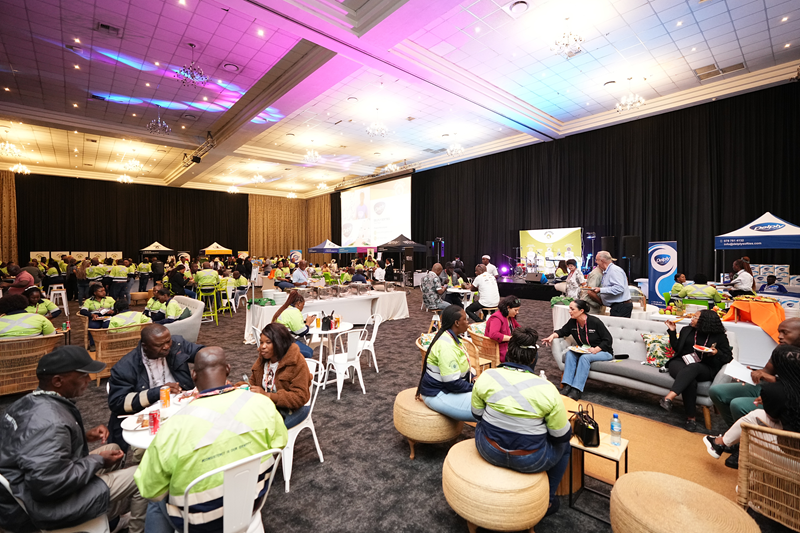
In April 2025, a South African company’s annual internal Summit brought together 2,000 people from across the country. The two-day event, managed by STRONG PR, Marketing & Events, launched a new corporate safety strategy — while also striving to minimise its environmental impact.
With only four weeks to plan and produce the event, the team faced immense pressure to deliver a high-impact experience responsibly. Their efforts paid off: the event earned Green Event Certification, receiving an impressive Silver Class with its sustainability score of 79.2%.

The Event at a Glance
Event: CEO Safety Summit
Organiser: EGF Member – STRONG PR, Marketing & Events
Goal: Annual Safety Summit and the official launch of a new safety strategy
Venue: Birchwood Hotel & Conference Centre, Boksburg
Size: 2,000 delegates, exhibitors, and media
Certification: Silver Green Event Certification (79.2%)
The Motivation
The client is committed to upholding its corporate sustainability objectives at its events. For STRONG PR, Marketing & Events, a passionate and active member of the Event Greening Forum, this alignment was natural. The team is deeply committed to amplifying both the positive outcomes and reduced impacts of every event they deliver.
Green Actions in Practice
Despite the tight turnaround, the organiser implemented several meaningful sustainability measures across key areas:
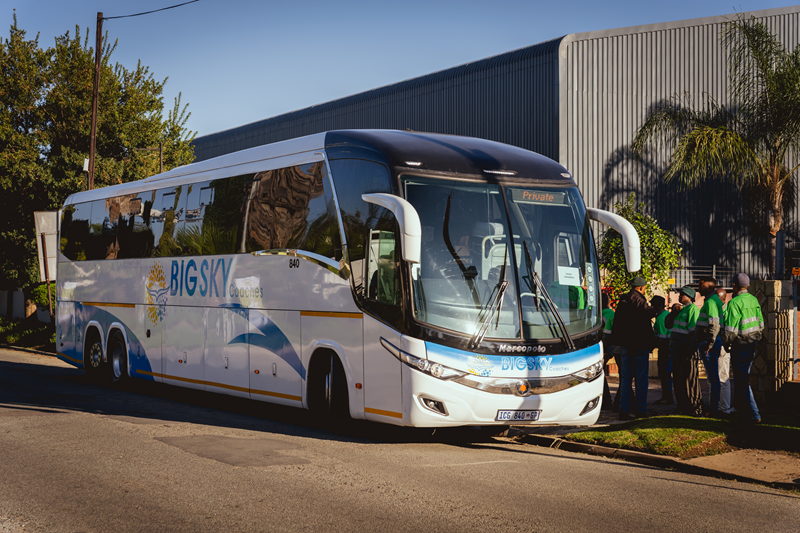
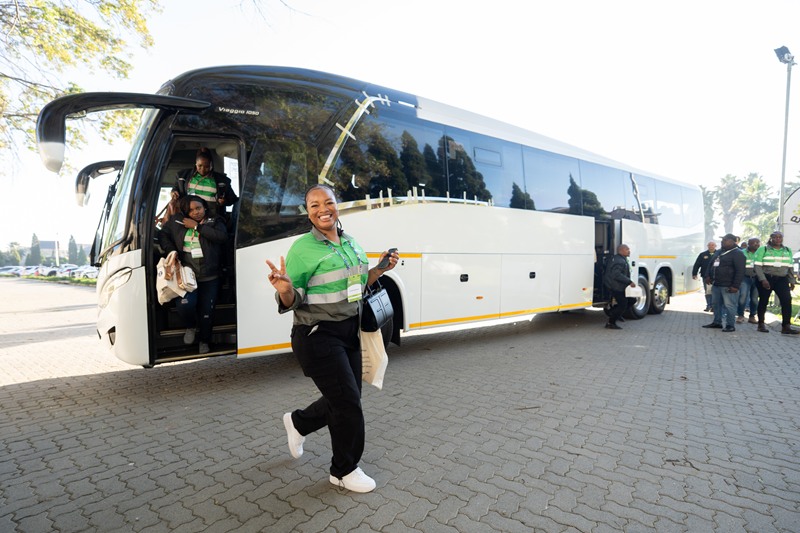
- Smarter transport: 47.4% delegates travelled by coach, significantly reducing private car use and overall emissions. Other modes of transport were: private/company vehicles (50.3%); carpooling (2.0%); and flights (0.3%).
- Venue collaboration: Birchwood Hotel provided energy and water consumption data — essential information to measure the event’s performance and gauge future improvements.
- Waste reduction: Although accurate waste data remained a challenge, benchmarks suggest that roughly 78% of all waste was diverted from landfill — a strong result given the event’s scale. On-site recycling, mindful procurement, and reuse strategies all contributed to this achievement.
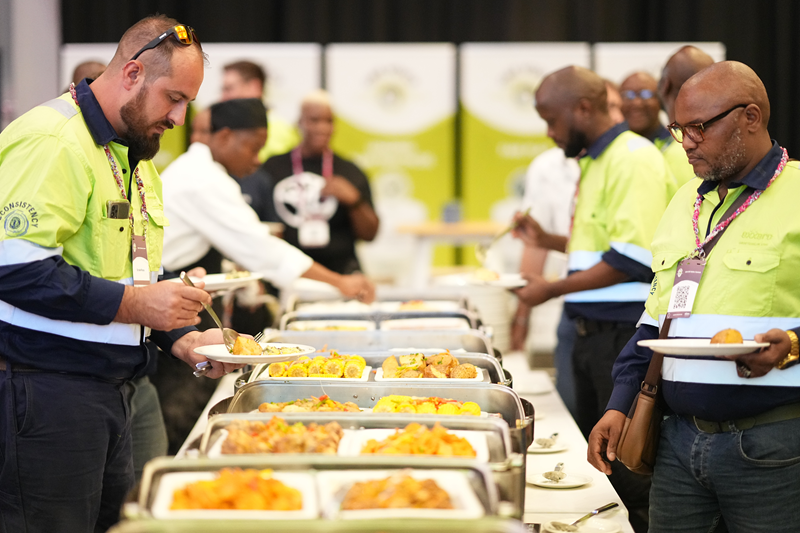
- Minimising food waste: Careful coordination with the venue ensured precise catering quantities, resulting in minimal leftovers.
- Supplier engagement: Suppliers signed a sustainability commitment prior to the event — a key step toward shared accountability. While most lacked formal certification, their intent to reduce impact was clear. Some areas, such as packaging practices, were identified for future improvement.
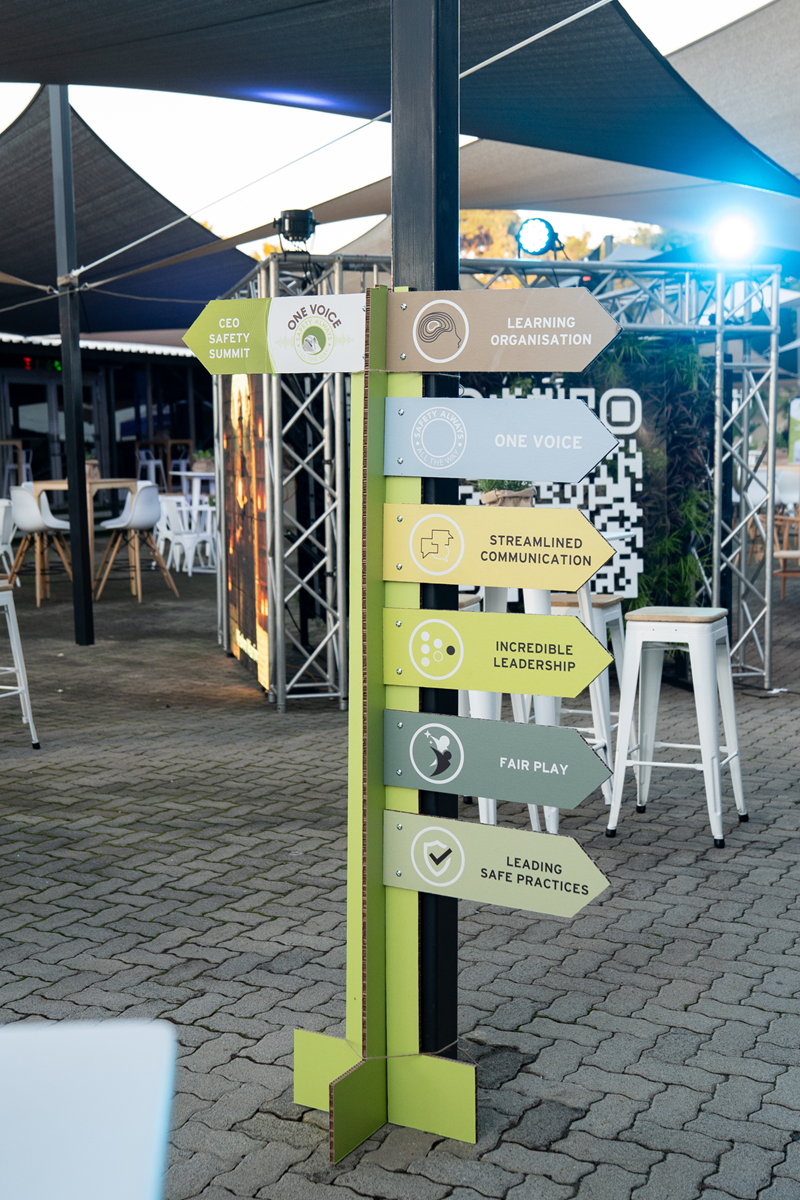
- Digital engagement: A QR-based system allowed guests to scan for instant access to the event schedules, maps, and resources, as well as an AI platform that allowed delegates to transform themselves into Safety Hero avatars. This not only boosted engagement with key safety behaviours and brand messaging, but also reduced the need for printed materials.
- Sustainable design and materials: Exhibition structures and branding were built primarily from Xanita Board, a locally-manufactured and lightweight recycled material. These stands will be repurposed as shelving in community schools, and can be recycled at end-of-life — a smart example of circular design thinking.
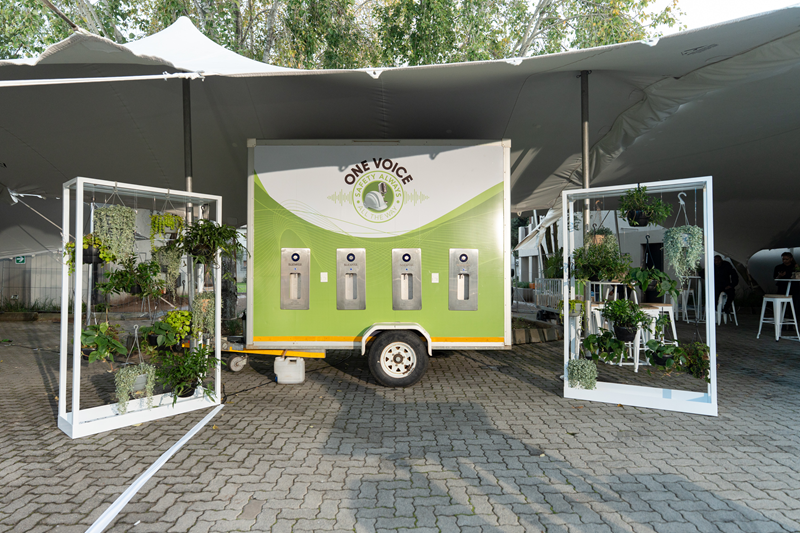
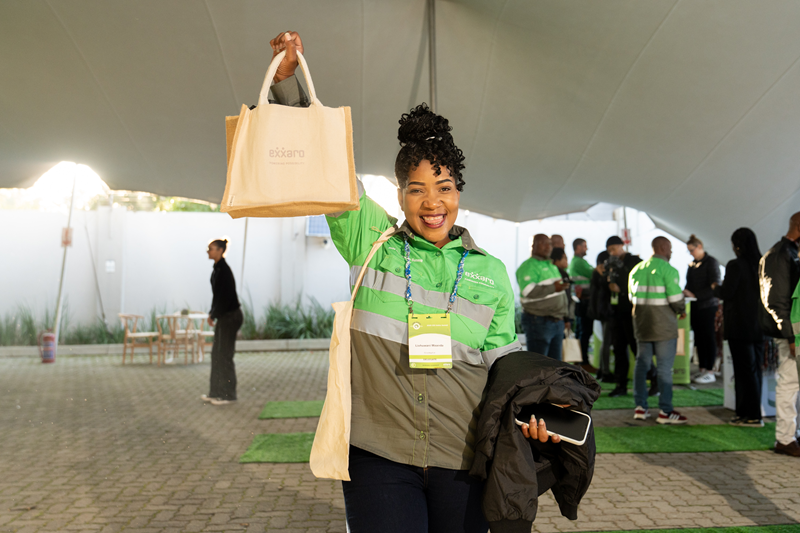
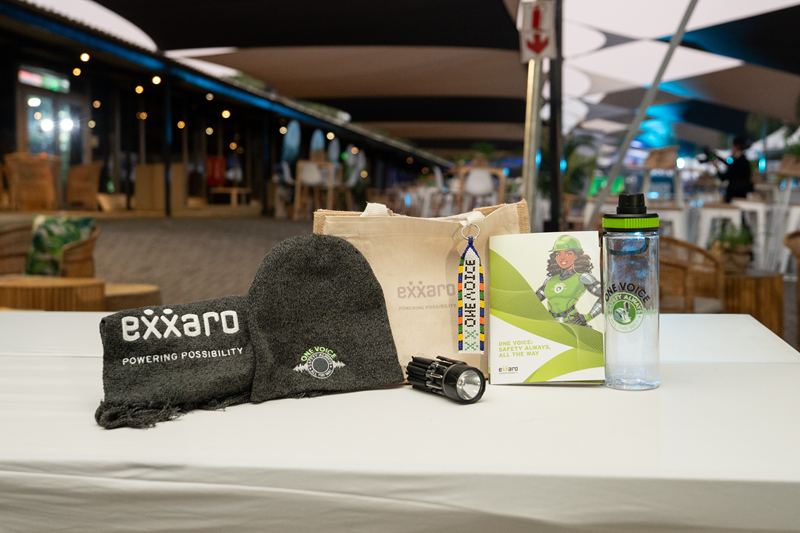
- Responsible gifting: Delegates received practical, reusable items — water bottles (refillable at branded water stations at the event), torches, scarves, and beanies, all gifted in fabric bags. Lanyards made from recycled plastic bread bags, crafted by a local collective, demonstrated how sustainability can empower community enterprise.
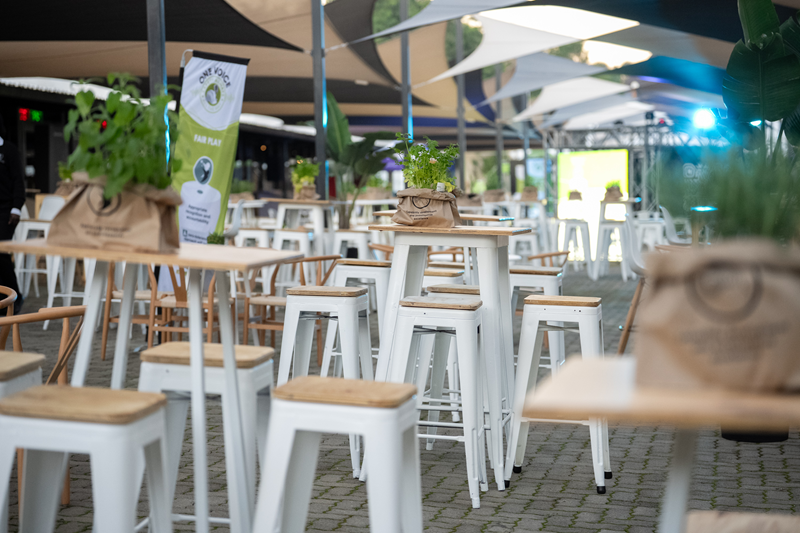
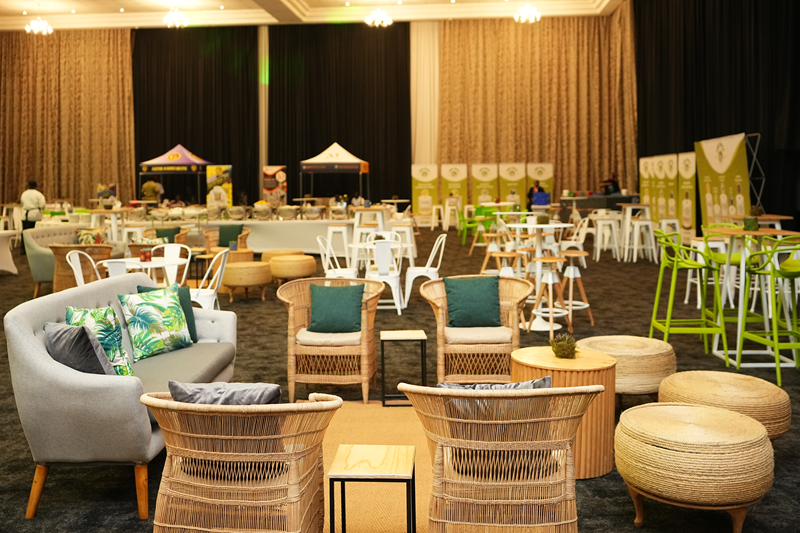
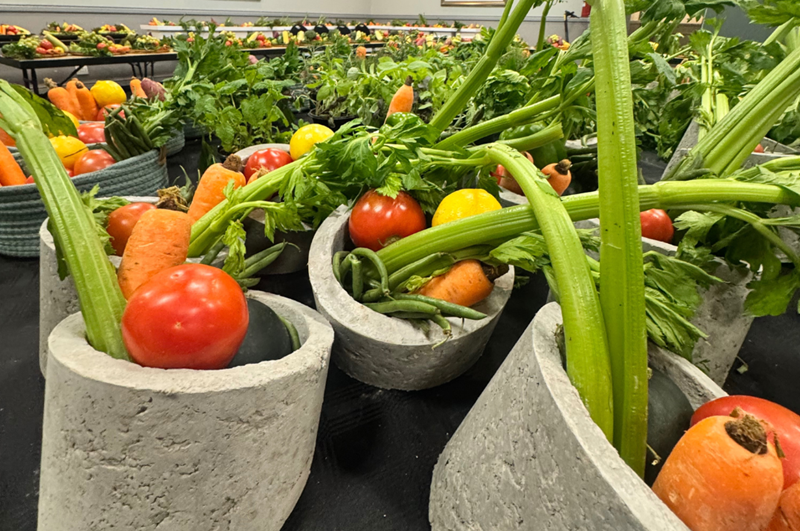
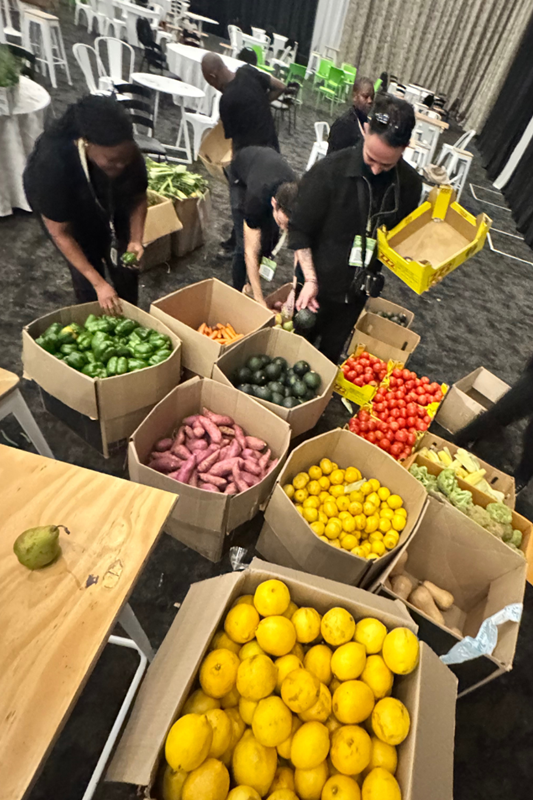
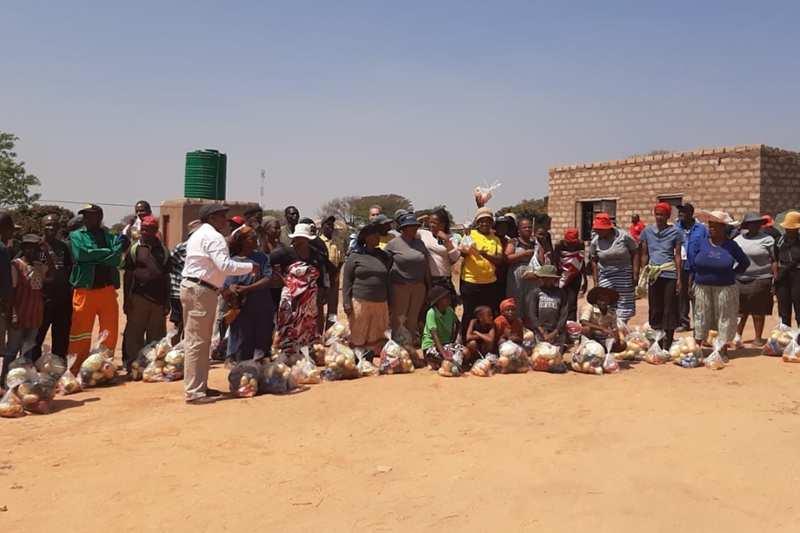
- Décor with purpose: Table décor made from herbs, plants, and produce was donated post-event to The Truth Foundation, which supports orphaned children in Limpopo communities.
- Community involvement: Local service providers were prioritised, and over 220 people worked behind the scenes and on site to make the event possible — from production crew and registration teams to creative leads, builders, hospitality staff, and suppliers. Small businesses from the Leeupan area were also invited to showcase their goods which delegates were able to procure through a voucher redemption system, a creative initiative that stimulated local trade and social upliftment.
- Celebrating local talent: Entertainment featured local artists, adding authentic cultural value while supporting the creative economy.









Final Word
This event shows how sustainability can be woven into large corporate gatherings without compromising client objectives or delegate experience. The organisers’ creativity, commitment to local sourcing, and focus on reuse exemplify the kind of innovation moving South Africa’s events industry forward.
“This event was a fusion of purpose, people, and performance. It redefined what’s possible when operational excellence, community impact, and sustainability come together — and we could not have done this without our incredible event partners, including Chat’r Xperience, Heritage Eco Events, STRONG Event Décor, Inspire Furniture, EPH Group, Event Options, and so many others who brought this vision to life.”
Herkie Du Preez, CEO and Founder of STRONG PR, Marketing & Events
Do you have an event greening case study you would like to share with us? Send an email to marketing@eventgreening.co.za.